Smoke begins drifting across the interstate moments after the truck overturns, and nearby drivers suddenly realize the truck crash may involve far more than damaged vehicles. Emergency crews begin blocking lanes while people inside surrounding cars wonder whether the air is safe to breathe or how far the spill may spread. In Murfreesboro, heavy commercial traffic along I-24 and nearby freight routes increases the risk of crashes involving hazardous materials.
Some hazardous cargo can spread through the air, ignite fires, or contaminate nearby areas within minutes after impact. Federal transportation rules require trucking companies that carry dangerous materials to follow strict safety procedures for loading, labeling, routing, and cargo handling, as unsafe transportation can put nearby communities at risk. These requirements govern the transport of hazardous materials by commercial motor vehicles on public roadways.
These crashes often become more complicated during the first several hours as emergency crews, investigators, and insurance companies respond simultaneously. Medical concerns, environmental risks, roadway closures, and cleanup efforts may all develop before injured people fully understand the extent of the damage. Speaking with an experienced Murfreesboro truck accident lawyer early may help victims preserve evidence and avoid mistakes while investigations remain active.
Key Takeaways
- Hazardous material truck crashes can create toxic exposure, fire risks, and environmental dangers long after the collision.
- Moving away from smoke, chemical odors, or leaking cargo quickly may help reduce additional exposure injuries.
- Investigations often involve trucking records, cargo documentation, medical evidence, and hazardous material safety procedures.
- Liability may extend beyond the driver to trucking companies, cargo loaders, maintenance providers, or contractors involved.

What Makes Hazmat Truck Crashes More Dangerous?
Hazardous cargo crashes can create dangers that continue developing long after the collision itself has ended.
How Can Hazardous Cargo Continue Creating Risks After Impact?
Hazardous materials may continue creating serious risks even after traffic stops moving around the crash scene. Toxic fumes can spread through nearby areas while leaking chemicals increase concerns about fires, explosions, and environmental contamination. Some people suffer burns or breathing problems immediately, while others develop symptoms hours after exposure occurs.
Why Do Emergency Crews Restrict Access Around the Crash?
Emergency crews frequently secure large areas around these crashes before allowing anyone near damaged cargo or overturned trucks. Road closures and evacuation orders help protect nearby drivers and residents while responders evaluate possible chemical exposure and fire risks. Cleanup teams may also work alongside investigators to contain spills before damaged vehicles leave the roadway.
What Should You Do After the Crash?
The first several minutes after a hazardous cargo crash often create confusion and serious safety concerns for nearby drivers.
Why Is Moving Away From the Cargo Area Important?
- After the crash, drivers should move away from smoke, leaking cargo, or strong chemical odors as quickly as safety allows.
- Some hazardous materials can spread through the air or nearby surfaces before emergency crews secure the area.
- Following evacuation instructions and avoiding spilled substances may help reduce chemical exposure and further injury.
- Creating distance from the cargo area is often one of the safest immediate responses after the collision.
What Happens When Exposure Symptoms Appear Later?
- A driver involved in a tanker truck collision may initially believe the injuries are minor.
- Breathing problems, dizziness, or chest irritation may develop hours later as exposure symptoms become more noticeable.
- Emergency medical treatment may become necessary once doctors identify possible chemical exposure connected to the crash.
- Delayed symptoms can complicate recovery and may require ongoing medical evaluation afterward.
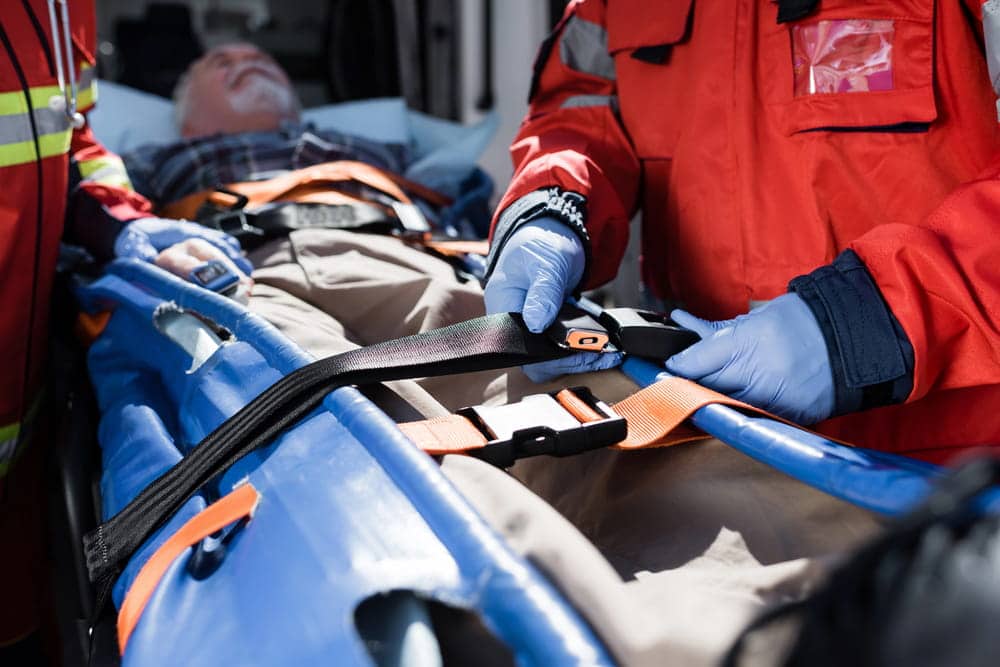
Why Can Hazmat Crashes Shut Down I-24 for Hours?
Hazardous cargo crashes usually require far more emergency response work than standard commercial truck accidents.
Which Rutherford County Agencies May Respond to the Crash?
Several Rutherford County agencies may respond once hazardous materials become involved in a serious commercial truck collision. Murfreesboro Fire Rescue, Tennessee Highway Patrol, Rutherford County Emergency Management Agency, and specialized hazmat crews may all assist at the scene. The number of responding agencies often depends on the type of cargo and possible contamination risks nearby.
How Can I-24 Freight Traffic Affect the Investigation?
I-24 carries heavy commercial truck traffic through Murfreesboro and surrounding parts of Rutherford County each day. Large crash scenes involving hazardous spills may require extended roadway closures while crews secure the area and remove contaminated materials. These cleanup efforts can delay evidence collection, vehicle inspections, and accident reconstruction work after the collision.
What Evidence Matters After a Hazmat Truck Crash?
Hazardous cargo crashes often involve more evidence than standard commercial truck accident investigations.
Which Trucking and Cargo Records May Help Explain the Crash?
Investigators commonly review black box data, driver logs, inspection reports, maintenance records, and shipping manifests after serious truck accidents. Hazardous cargo documentation and placarding records may also help explain which materials the truck carried before the collision. These records sometimes reveal whether workers properly labeled, secured, or handled the cargo before the crash.
Why Can Medical and Exposure Records Matter Later?
Photographs, treatment timelines, damaged property records, and cleanup findings may all become important after chemical exposure occurs. Some people experience breathing problems, skin irritation, or dizziness hours after leaving the crash scene following contact with hazardous materials. Contaminated clothing, personal belongings, or damaged items should remain documented before disposal becomes necessary.
How Can Safety Violations Affect Liability?
Hazardous cargo crashes often involve complicated safety rules that extend beyond ordinary commercial trucking requirements.
Which Hazardous Cargo Rules Apply to Commercial Trucks?
- Tennessee applies commercial vehicle safety requirements to trucks transporting hazardous materials because unsafe operation can endanger nearby drivers and surrounding communities.
- Tenn. Code Ann. § 65-15-111 authorizes the state to enforce commercial motor vehicle safety standards governing the transportation of hazardous cargo on public roadways.
- These transportation rules often involve stricter operating requirements than ordinary freight delivery.
- Hazardous materials can create serious public safety risks when transportation procedures are not properly followed.
Who Besides the Driver May Share Responsibility?
- Liability investigations may extend beyond the truck driver when several companies or contractors are involved.
- Trucking companies, cargo loaders, maintenance providers, shipping companies, and third-party contractors may be involved in the investigation.
- Loading mistakes, poor maintenance, training failures, or unsafe transportation procedures can contribute to the collision or chemical release.
- Responsibility may be divided among multiple parties depending on how their actions affected the incident.
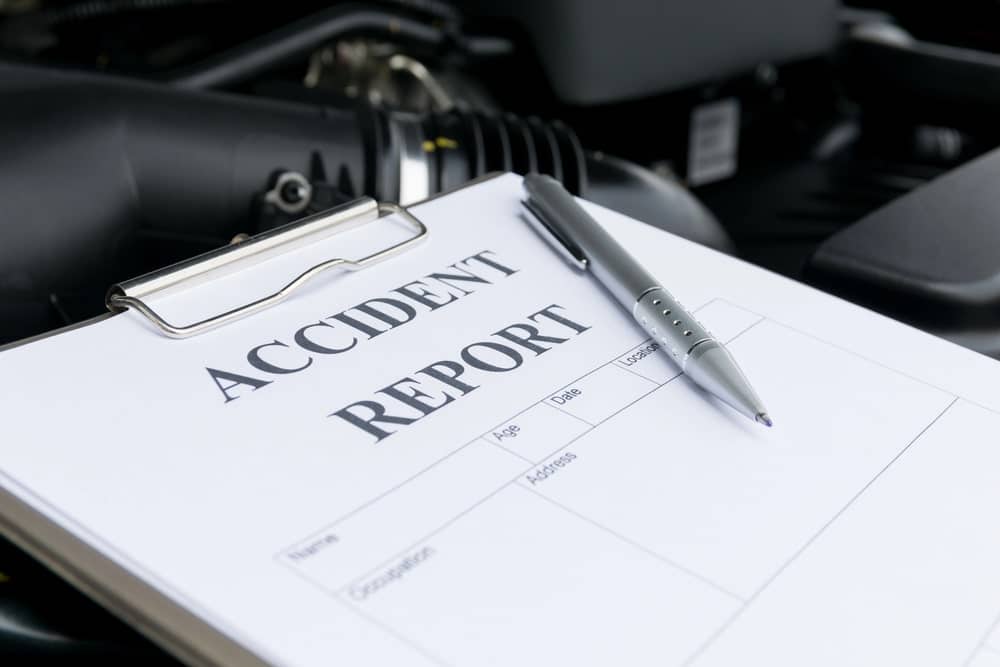
What Problems Can Continue After the Crash?
Hazardous cargo crashes often create problems that continue long after damaged vehicles leave the roadway.
How Can Chemical Exposure Affect People Days Later?
Some people develop breathing problems, headaches, dizziness, burns, or skin irritation hours after leaving the crash scene. Exposure-related symptoms do not always appear immediately, especially when toxic chemicals are released into the air during the collision. Ongoing medical treatment and follow-up monitoring may become necessary once doctors identify possible chemical exposure connected to the crash.
Why Can Cleanup and Financial Problems Continue After the Crash?
Hazardous material crashes often pose contamination risks that require extensive cleanup before roads and nearby areas can reopen safely. Damaged vehicles, traffic disruptions, and environmental response efforts may continue affecting surrounding communities after the collision occurs. Extended recovery periods sometimes interfere with employment, transportation needs, medical appointments, and other daily responsibilities.
Call a Murfreesboro Truck Accident Lawyer
A hazardous materials truck crash can create serious health concerns, emergency response complications, and difficult insurance issues within a matter of hours. In Murfreesboro and Rutherford County, these incidents may involve hazmat teams, environmental cleanup crews, law enforcement, and multiple investigators before the area is considered safe again.
Medical treatment, documentation, and early evidence preservation may all become important after a collision involving hazardous cargo. Some exposure-related problems and financial complications continue developing long after the roadway reopens and cleanup crews leave the scene.
At Murfreesboro Car Accident Lawyer, we understand how stressful these crashes can become when injuries, exposure concerns, and recovery costs begin affecting daily life. Our experienced truck accident lawyer helps clients preserve critical records, monitor ongoing investigations, and make informed decisions as the case moves forward. Contact us today or call (864) 335-9991 to discuss your situation with a lawyer.