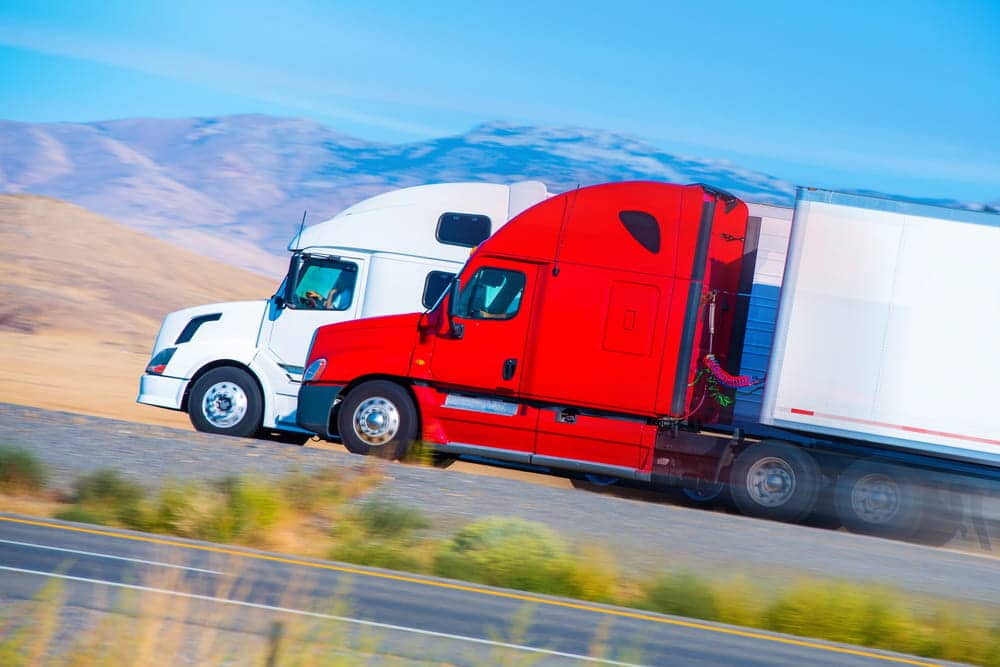
Traffic slows in Murfreesboro as a commercial truck moves into your lane. You brake, but the truck strikes your vehicle before its driver notices. A truck blind spot does not determine liability by itself; fault depends on whether the driver took reasonable precautions and whether either driver’s actions contributed to the crash.
Large commercial trucks have blind spots that can limit what the driver sees around the vehicle. Tennessee law requires drivers on marked roadways to remain within one lane as nearly as practicable. Tennessee law also requires drivers to determine that moving from a lane can be done safely.
Not seeing your vehicle does not establish that the truck driver made a safe lane change. Video, vehicle damage, witness accounts, and truck records can help reconstruct what happened before impact. A Murfreesboro truck accident lawyer can compare that evidence with both drivers’ actions to assess fault.
Key Takeaways
- A truck’s blind spot may explain a crash, but limited visibility does not automatically determine liability.
- Tennessee drivers must determine that a lane movement can be made safely before leaving their lane.
- Video, vehicle damage, witness accounts, and truck records can help establish each vehicle’s position before impact.
- Tennessee comparative fault can reduce or prevent recovery when evidence shows the injured driver also contributed.


How Can Limited Visibility Affect Fault After a Crash?
Vehicle position can help show whether the passenger vehicle was already occupying the adjacent lane when the truck began moving.
Which Areas Around a Large Vehicle Can Limit Driver Visibility?
Large commercial trucks have substantial blind spots around the vehicle that can limit what a driver sees. A smaller vehicle’s position can affect what the truck driver sees before moving laterally. Those positions matter most during lane changes, merges, turns, and returns after passing.
Does Traveling Where a Driver Has Limited Visibility Make You Liable?
No, traveling where another driver has limited visibility does not automatically make you legally responsible for a collision. Fault instead depends on evidence showing each driver’s lane position, timing, signaling, speed changes, and movement before impact.
What Driver Actions Can Create Liability?
Liability can arise when a commercial driver makes an unsafe movement that contributes to the collision.
When Can a Lane Change or Merge Show Driver Fault?
Evidence may show fault when a driver merges without checking blind spots, enters an occupied lane, or drifts across lanes. Vehicle positions, lane markings, timing, and other evidence can show whether the passenger vehicle already occupied the lane. The same evidence may instead show that the smaller vehicle entered the conflict area after the truck began moving.
How Can Turns Create Different Visibility Issues?
A tractor-trailer needs more space to turn because the trailer does not follow exactly the same path as the tractor. Timing can show whether a nearby vehicle was already alongside the truck or entered the area after the turn began. That distinction matters because similar-looking impacts can result from different vehicle movements.
What Evidence Can Show What Happened in a Blind-Spot Crash?
Physical and electronic evidence can help reconstruct each vehicle’s position and movement before impact.
What Can Show Where Both Vehicles Were Before Impact?
Damage, scrape marks, debris, roadway marks, photographs, and resting positions can help reconstruct the vehicles’ movements before impact. Damage alone may not show which vehicle moved first, so the analysis should consider other available evidence. Our firm may also review black-box data, driver logs, and camera footage when investigating how the collision developed.
Can Signals and Video Clarify a Disputed Lane Change?
Tennessee law requires drivers to ensure a movement can be made safely and to signal when another vehicle may be affected. Tennessee Code § 55-8-143 sets that rule, but using a signal does not establish that the adjacent lane was clear. Video, photographs, and vehicle damage may help show whether the passenger vehicle already occupied the lane when the truck crossed the line.
How Can You Protect Evidence After the Collision?
Preserving available records can help establish lane position, impact location, and vehicle movement in a blind-spot dispute.
Which Evidence Should You Preserve First?
Preserve available evidence showing lane position, impact location, and the truck’s identity before it becomes harder to obtain. Records created near the time of the collision can also be compared with later accounts of what happened. Other evidence may remain with businesses, authorities, motorists, or the motor carrier, so identifying those sources early can help preserve it.
- Photographs and videos showing lane markings, side damage, resting positions, and vehicle alignment.
- Witness names and contact information for people who saw either vehicle’s movement before impact.
- Vehicle repair records documenting damaged areas and the repairs performed.
- Commercial vehicle information identifying the truck, motor carrier, license plate, and other available details.
How Can Local Police Reports Support the Fault Review?
The Murfreesboro Police Department provides involved parties online access to crash reports through Tennessee’s state system. A report may contain information about the drivers, vehicles, witnesses, investigating officers, and observations recorded after the collision. Its contents should still be compared with photographs, video, vehicle damage, witness accounts, and other evidence when evaluating civil responsibility.
How Can Shared Fault Change a Tennessee Claim?
The Tennessee Supreme Court adopted modified comparative fault, so each driver’s share of responsibility can affect recovery.
When Can Your Own Conduct Reduce or Prevent Recovery?
A plaintiff with less than 50% fault may recover damages reduced by that percentage. A plaintiff with 50% or more fault generally cannot recover from the other at-fault party. This rule matters when evidence shows both drivers contributed to the collision.
Which Driver Actions Can Shift the Share of Fault?
In a disputed lane-change crash, an important question is whether the passenger vehicle already occupied the lane when the truck began moving toward it. Evidence may instead show that the passenger vehicle entered the available space after the truck’s movement had begun. Comparative fault turns on conduct that contributed to the collision, not vehicle size or limited visibility alone.
Call a Murfreesboro Truck Accident Lawyer
Limited visibility may help explain how a collision happened, but it does not determine liability on its own. Fault depends on each driver’s actions and the evidence showing how the crash developed. Tennessee’s comparative fault system also considers whether both drivers contributed to the collision, which can affect the amount of compensation available.
At Murfreesboro Car Accident Lawyer, Harlene Labrum represents clients in Murfreesboro truck accident matters. Her personal injury experience dates back to paralegal work in the early 1990s. Contact us to speak with a Murfreesboro truck accident lawyer about your collision and the evidence that may affect liability.