A heavy piece of equipment slides from a commercial flatbed into highway traffic, creating a cargo spill that leaves approaching drivers only seconds to react. Motorists may brake or swerve suddenly, causing collisions without ever striking the hauling truck. Responsibility may depend on who loaded, secured, inspected, transported, or controlled the cargo before it escaped.
Federal cargo-securement rules apply directly to cargo-carrying commercial motor vehicles operating in interstate commerce. Those rules require cargo to be contained or secured against shifting, leaking, spilling, blowing, or falling during transportation. Tennessee also adopts federal motor-carrier safety regulations through state rules, subject to applicable state requirements and exceptions.
Physical debris, photographs, video, witness accounts, and carrier records can help reconstruct how the cargo became a roadway hazard. This evidence may also connect evasive driving or a secondary collision to the fallen load. An experienced Murfreesboro truck accident lawyer can review the crash, explain your legal options, and help you understand the next steps.
Key Takeaways
- Fallen cargo can cause crashes through direct impact, sudden braking, swerving, or secondary collisions.
- Responsibility may involve drivers, carriers, loaders, or other parties that controlled the cargo or its securement.
- Tennessee has specific rules for open-bed loose materials and loads likely to fall or blow onto highways.
- Photographs, video, witness information, debris, and transportation records can help explain how the spill caused the crash.

How Can Spilled Cargo Cause a Tennessee Road Accident?
Fallen cargo can cause a crash through direct impact or by forcing approaching drivers to react suddenly.
What Happens When Cargo Falls Into an Active Traffic Lane?
Heavy objects or loose materials can create an immediate obstruction when they fall into an active travel lane. The cargo may strike another vehicle or force approaching motorists to brake or change lanes suddenly. A resulting collision can therefore occur even when no vehicle ever touches the truck that lost the load.
How Can Avoiding Fallen Cargo Lead to Another Crash?
Drivers may swerve or brake sharply when an unexpected object appears in their path. For example, an unsecured crate may fall from a trailer, causing a following driver to swerve into an adjacent vehicle. Speed, visibility, following distance, and available reaction time can become important when evaluating that no-contact crash.
Why Does Cargo Fall From a Truck or Trailer?
Cargo can escape because of loading problems, inadequate securement, equipment failure, inspection issues, or movement during transportation.
How Can Loading Problems Let Cargo Escape Onto the Road?
Cargo type, placement, restraints, and vehicle movement can each point to a different cause of a spill. Because different parties may control loading, placement, and securement, investigators often need to separate those issues before determining responsibility. An investigation can organize that review around four separate questions:
- What was being transported? Loose material may spill or blow from inadequate containment, while solid equipment may escape when restraints are missing, loose, damaged, or inadequate.
- How was it positioned? Uneven weight distribution, improper stacking, or off-center placement can allow cargo to shift as the vehicle accelerates, brakes, or turns.
- What kept it aboard? Straps, chains, blocking, tarps, and other securement equipment can show how the cargo was restrained and whether a securement problem existed.
- What changed before it reached the roadway? Braking, acceleration, turns, or cargo movement can place additional forces on the load and its securement system.
How Can a Shifting Load Eventually Spill Onto the Road?
Braking, turning, and lane changes can place additional forces on cargo that is not properly restrained. Cargo moving inside an enclosed trailer presents different concerns from equipment sliding from an open flatbed. Investigators can examine where the movement began and whether loading, securement, equipment, inspection, or driving contributed to the spill.
What Does Tennessee Law Require for Loose Cargo?
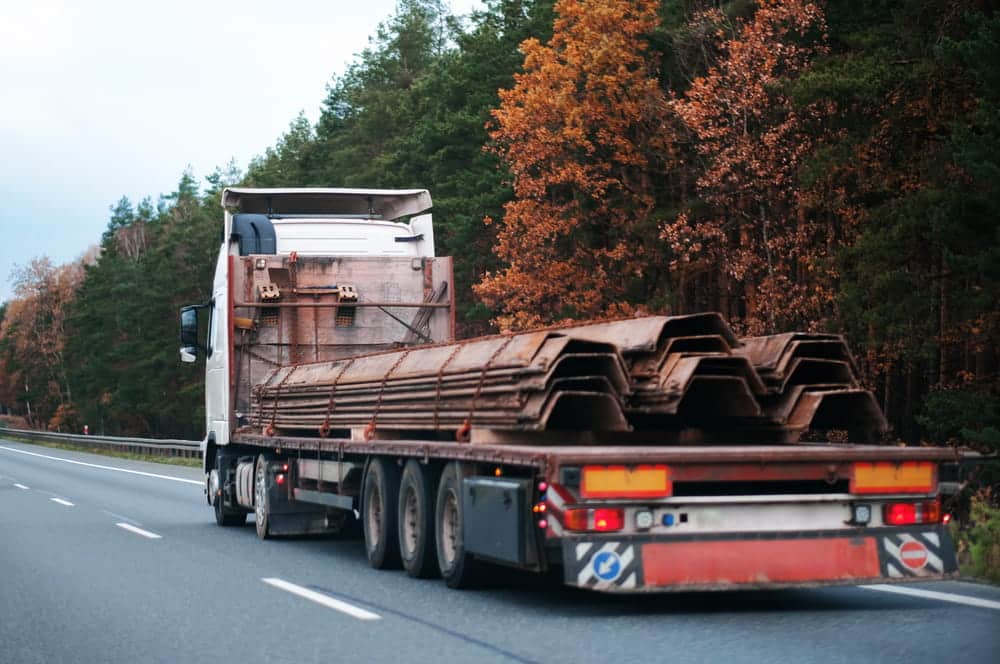
Tennessee has related rules for open-bed loose material and loads likely to fall or blow onto public roads. Which requirement applies can depend on the material being transported, how it is carried, and whether a statutory exception applies.
What Does Tennessee Require When Trucks Carry Loose Material?
Subject to statutory exceptions, Tennessee Code § 55-7-109 requires loose material in an open-bed vehicle to remain at least four inches below the front, back, and side walls. The law broadly covers material that could spill, drop off, or blow away while the vehicle is moving. A violation may help explain how material reached the roadway, but the evidence must still connect that material to the crash.
When Must a Tennessee Load Be Covered or Enclosed?
Tennessee law generally requires material likely to fall or blow onto a highway to be enclosed or fully covered, subject to specific exceptions. Several listed bulk materials are exempt when the vehicle complies with Tennessee Code § 55-7-109’s four-inch rule, unless an officer observes material blowing from the vehicle. Reading these rules together makes the cargo type, loading method, and evidence of escaping material important when evaluating a spill.
Who May Be Responsible When Cargo Causes a Crash?
Responsibility depends on which person or business controlled the work that contributed to the cargo escaping.
Why Does the Cause of the Cargo Spill Affect Responsibility?
Roadway debris alone may not reveal who caused the cargo to escape. Loading records, securement equipment, inspection information, and evidence about vehicle movement can help trace the failure to the work that caused it. That investigation may point to a driver, carrier, loading operation, equipment problem, or another responsible party.
Who May Have Controlled the Load Before Cargo Escaped?
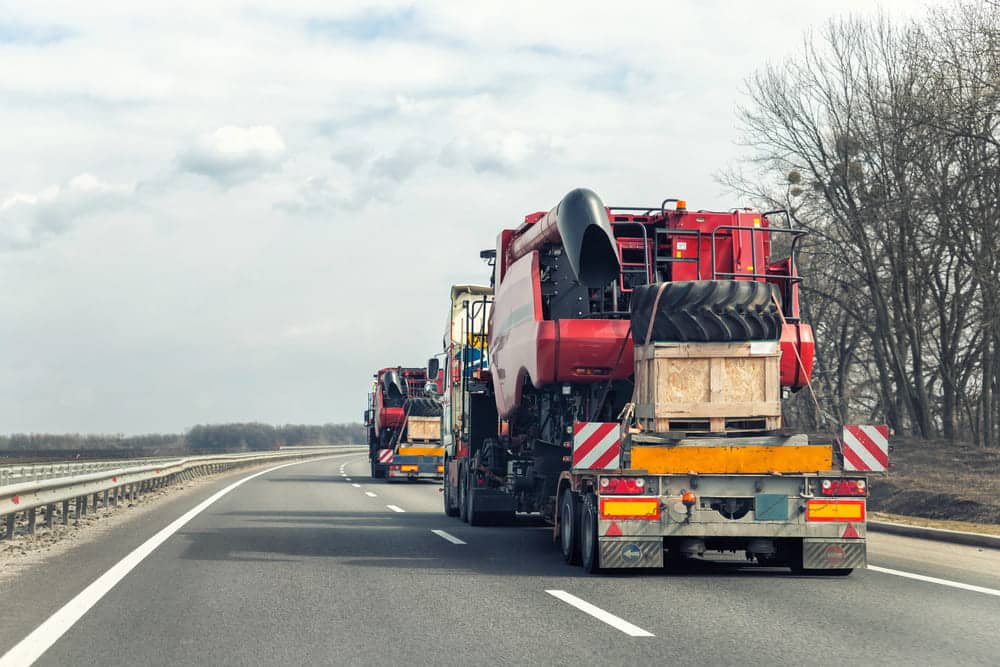
The truck driver may not be the person or company that loaded or secured the freight. Depending on who performed the relevant work, the investigation may extend to the motor carrier, shipper, loading facility, or third-party loader. Records showing who loaded, inspected, or secured the cargo can help identify which parties require closer examination.
What Evidence Can Show How a Cargo Spill Caused the Crash?
The strongest evidence connects the roadway hazard to both its source and the sequence of events that followed.
What Can Connect Fallen Cargo to the Vehicle That Carried It?
Identifying the hauling vehicle can be difficult when it leaves without making physical contact with another car. Dashcam footage, witness descriptions, scene photographs, cargo markings, and debris can help identify the load and its possible source. Investigators can then compare those details with bills of lading, shipping records, inspection documents, and securement records to identify who handled the cargo.
Why Does the I-24 Corridor Matter After a Cargo Spill?
TDOT’s I-24 SMART Corridor extends about 28 miles between Nashville and Murfreesboro in Davidson and Rutherford Counties. The system uses cameras, traffic sensors, signs, and other technology to provide real-time information and manage traffic along the corridor. After a cargo spill on I-24, documenting the exact location and direction of travel can help identify where the incident occurred and what evidence may be relevant. Photographs, dashcam footage, and witness information can separately preserve conditions that may change after the crash.
Connect With a Murfreesboro Truck Accident Lawyer
After a Murfreesboro cargo-spill crash, identifying the source of the load is often only the first step. Video, physical debris, shipping documents, and securement records can help show how the cargo escaped and who handled its loading, inspection, or securement.
At Murfreesboro Car Accident Lawyer, Harlene Labrum represents clients in Murfreesboro truck accident matters. If you have been injured in a crash involving fallen or unsecured cargo, she can review the available evidence and circumstances affecting responsibility. Contact us to speak with a Murfreesboro truck accident lawyer about your collision and possible next steps.