A motorcyclist approaches a Tennessee intersection as sudden rain blurs traffic ahead and leaves the pavement slick beneath both tires. Braking becomes harder because standing water, reduced traction, and poor visibility can increase the risk of motorcycle accidents in TN. Weather can contribute without acting alone because the rider’s choices and surrounding drivers’ responses may also affect what happens.
Tennessee law requires drivers to exercise due care based on the existing circumstances. They must use a safe speed, maintain a safe lookout, keep proper control, and give full attention under existing circumstances. Rain, ice, limited visibility, and roadway hazards can therefore matter when evaluating a driver’s actions before a collision.
The key question is how weather affected the roadway, visibility, and each person’s actions before the collision. Photos, witness accounts, weather records, and physical crash evidence can help establish the conditions present at that time. A Murfreesboro motorcycle accident lawyer can examine this evidence when evaluating how weather may have contributed to the crash.
Key Takeaways
- Rain and road spray can reduce visibility, while ice, standing water, debris, and slick surfaces can affect traction or motorcycle control.
- Weather alone does not determine fault because each road user’s response to changing conditions also matters.
- Speed, following distance, braking, lookout, and vehicle control can become important when weather conditions worsen.
- Photographs, weather records, witnesses, video, and crash evidence can help establish the conditions at the time of the collision.
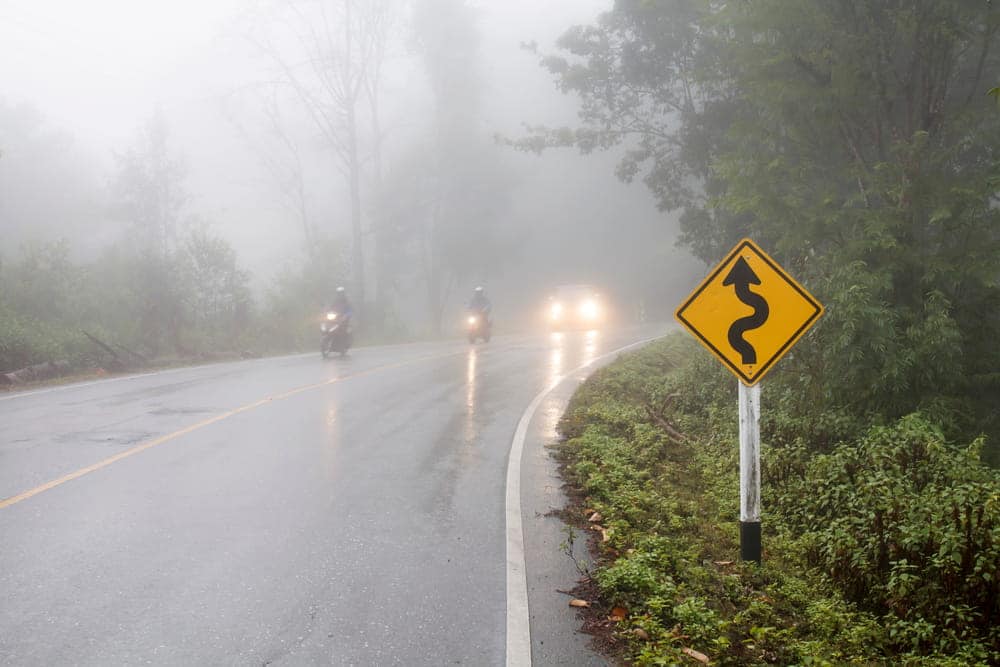
How Can Weather Conditions Contribute to Motorcycle Crashes?
Changing weather can alter roadway traction and surface conditions, making ordinary braking, turning, and directional changes harder to complete safely.
Why Does Rain Reduce Motorcycle Traction on the Road?
Wet pavement can reduce traction during braking, turning, acceleration, or directional changes, especially shortly after rainfall begins. The Tennessee Motorcycle Operator Manual warns that pavement can be particularly slippery before rain washes surface oil toward the roadside. Riders also need more stopping distance on slippery pavement and should avoid abrupt changes in speed or direction.
How Can Ice, Wet Leaves, and Debris Affect Control?
Ice, wet leaves, mud, wet pavement markings, steel plates, and storm debris can create slippery or obstructed roadway surfaces. Tennessee motorcycle guidance identifies shaded or low areas, bridges, and overpasses as locations where ice may develop or remain. These localized hazards can affect the surface where a rider brakes or turns, while debris may require an unexpected change in direction.
How Can Poor Weather Hide Hazards From Motorcyclists?
Poor weather can hide roadway hazards and other vehicles, leaving riders less time to recognize danger and respond safely.
How Can Rain and Road Spray Make Motorcycles Harder to See?
Rain and road spray can limit a driver’s ability to see motorcycles, judge their movement, and follow changing traffic. Reduced visibility can also shorten the time available to recognize another road user and react before traffic slows or changes direction.
How Can Standing Water Conceal Dangerous Road Conditions?
Standing water can hide potholes, broken pavement, debris, and other surface problems until a rider is already close. For example, a rider may brake after water conceals damaged pavement while a following vehicle continues closing the distance. That sequence can make the actions of both the rider and following driver important when determining how the collision occurred.
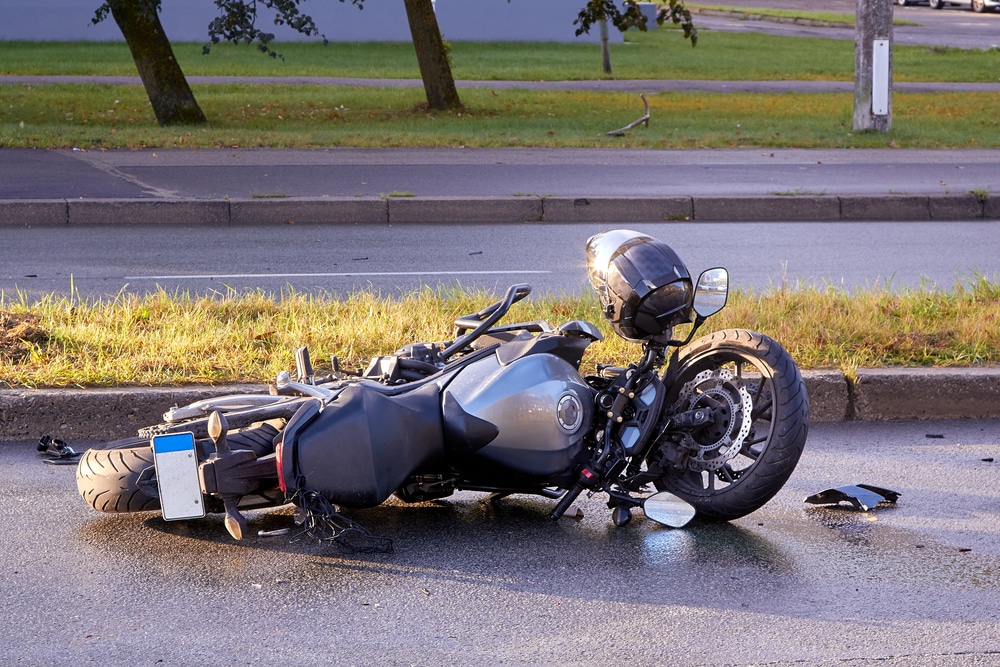
How Can Road-User Conduct Increase Weather-Related Risks?
Weather creates hazardous conditions, but riders’ and drivers’ decisions can influence how those conditions develop into a collision.
Why Must Road Users Adjust as Weather Conditions Worsen?
Rain, limited visibility, slippery pavement, and standing water can change what safe speed, attention, braking, lookout, and vehicle control require. A driver traveling below the posted limit may still need to slow further when weather reduces visibility, traction, or available stopping room. An investigation can compare those circumstances with vehicle movements and other crash evidence when evaluating each road user’s conduct.
Why Does Following Distance Matter on Wet Roads?
Tennessee law requires drivers to maintain a reasonable and prudent following distance based partly on highway conditions. Slick pavement, standing water, debris, or poor visibility can make additional stopping space important as conditions worsen. That distance can matter when a motorcycle slows for a weather-related hazard before a following vehicle can safely respond.
How Can Murfreesboro Storms Contribute to Motorcycle Crashes?
Murfreesboro storms can create localized water and surface conditions that change quickly, even when nearby roads appear less affected.
Why Can Heavy Rain Quickly Change Murfreesboro Roads?
Murfreesboro identifies sinkholes, West Fork Stones River, and Lytle Creek among the city’s major flooding sources. The city also reports that flooding can occur away from waterways during extreme weather and has historically damaged local highways and bridges. These conditions matter to motorcyclists because water and storm debris can affect one roadway differently from nearby pavement during or after heavy rain.
Which Road Hazards Can Remain After a Storm Ends?
Roadway hazards can remain after rainfall stops because standing water, debris, wet leaves, and slick surfaces may persist. Murfreesboro’s smaller streams can respond rapidly to storms, so water conditions may vary between different parts of the city. Conditions present during a collision may therefore differ from what investigators or insurers encounter when they inspect the roadway later.

How Can You Determine Weather’s Role in a Motorcycle Crash?
Determining weather’s role requires connecting reported conditions with the roadway, visibility, vehicle movements, and how each road user responded.
Which Facts Show Whether Weather Contributed to the Crash?
A weather report showing rain or fog does not establish what occurred at the exact collision site. The investigation must connect reported weather with the roadway conditions and vehicle movements surrounding the crash. That comparison can show whether weather affected braking, sight distance, roadway traction, or another part of the crash sequence.
Which Evidence Can Confirm the Conditions at the Crash?
Evidence recorded near the collision can show whether reported weather affected visibility, pavement conditions, or roadway hazards. Useful evidence may include:
- Scene photographs showing water, debris, ice, or pavement conditions.
- Police crash documentation describing roadway or weather conditions.
- Historical weather observations for the relevant time and area.
- Witness descriptions of visibility and roadway conditions.
- Dashcam or available surveillance footage.
- Vehicle positions and other physical crash evidence.
Together, these sources can help distinguish general weather conditions from what was actually happening at the crash location.
Contact a Murfreesboro Motorcycle Accident Lawyer
Weather can be important after a Murfreesboro motorcycle crash, but the surrounding circumstances determine what role it actually played. Evaluating the roadway, visibility, and actions of the people involved can help explain how weather contributed to the collision.
Murfreesboro Car Accident Lawyer represents people injured in motorcycle crashes in Murfreesboro and surrounding communities. If you have been injured in a motorcycle crash involving dangerous weather or roadway conditions, our attorneys can review what happened and explain your legal options. Contact us today or call (864) 335-9991 to discuss your case.