Rainwater covers the road ahead, and your car suddenly slides toward another vehicle as you approach an intersection. Poor road conditions, including standing water, potholes, uneven pavement, damaged shoulders, and defective traffic signals, can reduce traction, disrupt steering, or limit reaction time. Drivers may lose control after striking a defect, while sudden evasive movements can cause sideswipes or roadway departures.
Tennessee law allows injury claims involving dangerous roads owned and controlled by local governments when the statutory requirements are met. Tennessee Code § 29-20-203 requires proof that the government had actual or constructive notice of the dangerous condition. The injured person must also establish that the condition caused the collision and resulting injuries.
Crash photographs, police reports, and maintenance records may help establish the roadway condition and its role in the collision. Earlier complaints and inspection records can indicate whether officials knew about a defect or had opportunities to identify it. A Murfreesboro car accident lawyer can review these records and assess whether a claim against the responsible government is available.
Key Takeaways
- Potholes, standing water, damaged shoulders, and defective traffic controls can contribute to collisions by affecting vehicle control.
- Roadway injury claims require evidence connecting dangerous conditions to crashes and establishing the responsible authority’s legal duties.
- Photographs, crash reports, maintenance records, and earlier complaints can help establish roadway defects and government notice.
- Tennessee generally requires local-government injury lawsuits within twelve months after the claim arises, while state highway claims have separate filing requirements.

Which Poor Road Conditions Cause Crashes in Murfreesboro?
Pavement defects can disrupt steering, while standing water reduces traction and damaged shoulders make roadway recovery difficult.
How Do Potholes and Uneven Pavement Affect Car Control?
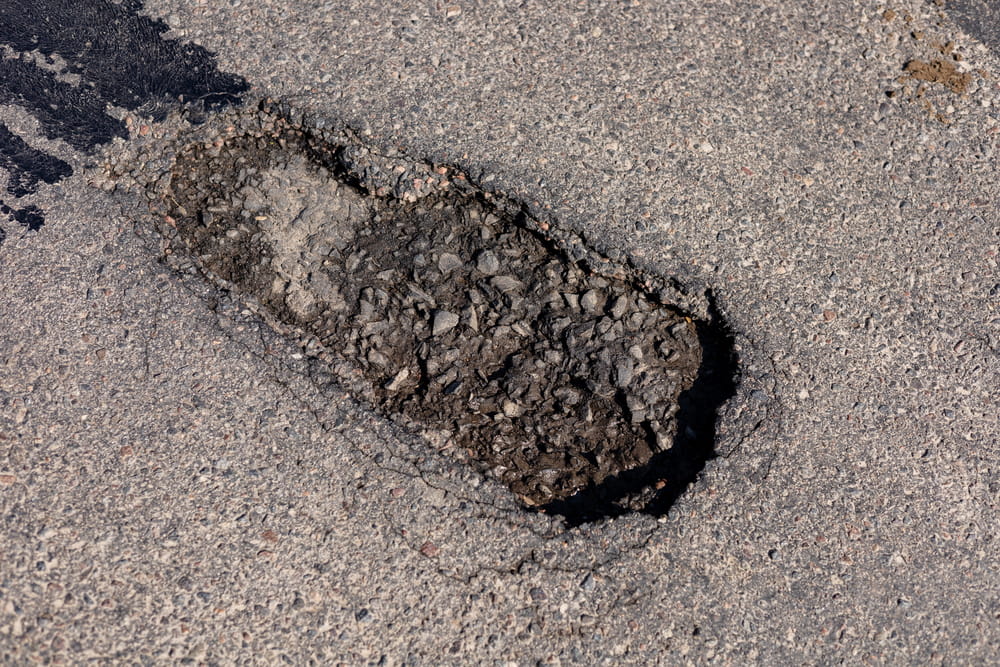
Deep potholes, broken asphalt, and abrupt surface changes can disrupt tire contact, making steering difficult even without visible damage. Striking a substantial defect may damage a wheel or force sudden steering corrections, particularly when surrounding traffic limits maneuvering space. A pothole near the center of a travel lane may leave drivers less room to avoid it safely.
Why Do Standing Water and Damaged Shoulders Cause Crashes?
Standing water can cause hydroplaning when tires lose sufficient contact with the pavement, reducing traction and steering control. Deteriorated shoulders and substantial pavement drop-offs can also complicate recovery when drivers attempt to return to their travel lane. Heavy rainfall, reduced visibility, worn tires, and excessive speed can increase the difficulty of maintaining control.
How Do Dangerous Road Conditions Lead to Car Crashes?
The collision pattern often depends on whether a driver strikes the hazard, swerves around it, or misreads traffic guidance.
How Can Striking or Avoiding Potholes Cause Car Crashes?
A deep pothole can force drivers to choose between striking damaged pavement and making a sudden steering correction. During rainfall, a Murfreesboro driver might swerve around a pothole and strike a vehicle traveling in the adjacent lane. Investigators must examine the driver’s reaction, the pothole’s condition, and whether the responsible authority had prior notice.
How Can Poor Road Signs and Markings Cause Car Crashes?
Malfunctioning signals, obscured warning signs, and faded lane markings can prevent drivers from recognizing traffic instructions or anticipating movements. These problems may contribute to intersection collisions, delayed braking, unexpected lane changes, or conflicting actions between approaching vehicles. Government decisions about whether to install traffic controls may be protected by immunity, while negligent maintenance of existing signs or signals can support liability when statutory requirements are met.
Who Is Responsible for Crashes Caused by Unsafe Roads?
Potential responsibility depends on the roadway’s ownership, control, and whether the claim involves local or state government.
Who Maintains Roads In and Around Murfreesboro, TN?
A crash within Murfreesboro does not necessarily mean the city owns or controls the affected roadway. Murfreesboro’s official pothole reporting guidance identifies separate contacts for city roads, interstate highways, and Rutherford County locations. For Interstate 24 crashes, TDOT maintenance records may help establish the hazard’s history, although reporting contacts alone cannot determine liability.
What Must Drivers Prove in a Dangerous Road Claim?
Photographs, witness statements, and vehicle damage can help connect a dangerous roadway condition to the collision and resulting injuries. Actual notice means the government knew about the defect. Constructive notice means the condition existed under circumstances that legally support treating the government as having notice, even without proof of actual knowledge. A driver’s speed, attention, and steering decisions may also affect how fault is allocated after the crash.
What Evidence Shows Poor Road Conditions Caused a Crash?
Evidence must address two separate questions: how the defect affected the crash and what authorities knew beforehand.
Which Photos and Crash Records Help Explain a Collision?
The following evidence can help reconstruct the crash and document the roadway condition before repairs change the scene.
- Roadway photographs: Show the defect’s size, location, surrounding lanes, and traffic conditions before repairs alter the scene.
- Dashcam footage: May capture the vehicle striking a defect or swerving to avoid it.
- Witness statements: Describe the driver’s movements, surrounding traffic, and visible roadway hazards.
- Crash reports: Document reported collision circumstances, vehicle positions, and observations recorded by responding officers.
- Vehicle damage photographs: Show impact locations and damage potentially consistent with the reported collision.
How Can Earlier Road Complaints Help Prove Notice?
Proving a roadway defect existed differs from showing that the responsible authority knew or reasonably should have discovered it. Earlier complaints, inspection reports, and dated photographs may support notice when they identify the same location and relevant defect. Maintenance histories and the condition’s duration may provide further context, while later complaints alone cannot prove prior knowledge.

What Should Drivers Do After a Road Condition Accident?
Early documentation matters because roadway defects may be repaired and weather or traffic can alter visible evidence.
How Can Drivers Preserve Evidence of Dangerous Roadways?
After a collision, drivers should reach a safe location, seek medical attention, and contact emergency services when appropriate. Once safe, document the exact location, travel direction, weather, roadway damage, and vehicle condition without entering active traffic. Save photographs, dashcam footage, witness contacts, medical records, and repair estimates before relevant evidence becomes harder to obtain.
When Should Drivers Investigate a Roadway Injury Claim?
Drivers should investigate promptly because roadway defects may be repaired, and different government claims have distinct filing requirements. Tennessee Code § 29-20-305(b) generally requires local-government injury lawsuits within twelve months after the cause of action arises. Claims involving dangerous conditions on state-maintained highways follow a separate process. Claimants generally must file written notice with the Tennessee Department of Treasury’s Division of Claims and Risk Management within one year after the claim accrues.
Contact a Murfreesboro Car Accident Lawyer
Dangerous road conditions in Murfreesboro can contribute to collisions, but establishing responsibility requires more than identifying a pothole or other roadway defect. Claims may depend on who maintained the road, whether the responsible authority had notice of the hazard, and whether applicable filing requirements were satisfied. Photographs, accident reports, and maintenance records can help clarify these issues.
Murfreesboro Car Accident Lawyer helps individuals and families pursue compensation after an accident. If you have been injured in an accident caused by hazardous road conditions, you can discuss your circumstances and explore the options available to you. Contact us today or call (864) 335-9991 to discuss your accident and seek connections with professionals who can address your needs.