Brake lights flash ahead, and one collision quickly becomes several before anyone understands what happened. Determining responsibility after a chain reaction accident depends on how each impact occurred and whether multiple drivers shared fault. The first driver, last driver, or cited driver does not automatically become responsible for the entire collision.
More than one driver may share responsibility. Determining fault depends on which negligent action began the sequence and whether later drivers had enough time to respond. It also depends on how each impact occurred and whose conduct caused or increased the resulting harm. Tennessee drivers must leave enough space to react safely to traffic, vehicle speed, and road conditions.
Tennessee follows modified comparative fault, which means a person’s share of responsibility may reduce or prevent financial recovery. Multi-vehicle crashes are rarely as simple as the final vehicle positions suggest. Understanding these rules helps injured drivers recognize when guidance from an experienced Murfreesboro car accident lawyer may protect their rights.
Key Takeaways
- Multiple drivers may share responsibility when separate negligent actions contribute to different impacts within the collision sequence.
- Tennessee’s comparative fault rules reduce or prevent compensation depending on each driver’s assigned percentage of responsibility.
- Investigators evaluate vehicle damage, witness statements, videos, roadway evidence, and timing to determine each collision’s sequence.
- Police reports and traffic citations provide useful evidence but never conclusively determine civil liability after multi-vehicle crashes.

What Starts a Chain Reaction Accident in Murfreesboro
Finding the first negligent act provides the clearest starting point for evaluating responsibility across multiple impacts.
Which Driver Made the First Negligent Move
Negligence may occur before contact through distraction, unsafe speed, close following, or an unsafe lane change. Failing to notice slowing or stopped traffic can create the danger that begins the entire sequence. That driver may bear responsibility for immediate impacts without becoming automatically liable for every later collision.
When Does a Later Impact Become a Separate Collision
Investigators ask whether the impacts formed one continuous sequence or whether a later driver had time to stop. They consider timing, distance, traffic speed, visibility, and road or weather conditions together when making that determination. Because every collision unfolds differently, no fixed interval decides the issue. Instead, responsibility depends on whether a careful driver could reasonably avoid the later impact.
Can Several Drivers Share Responsibility for One Crash
Responsibility may be divided when separate driving choices contribute to the collision or increase its consequences.
How Does Tennessee Divide Fault Among the Drivers
Courts, not scene officers, apply Tennessee’s modified comparative fault rule when several drivers contribute to a crash. They may assign unequal percentages, giving one driver most fault and another less for contributing to a later impact. An injured person below 50% fault may recover reduced compensation, while 50% or more generally prevents recovery.
Can a Middle Driver Avoid Fault After Being Pushed
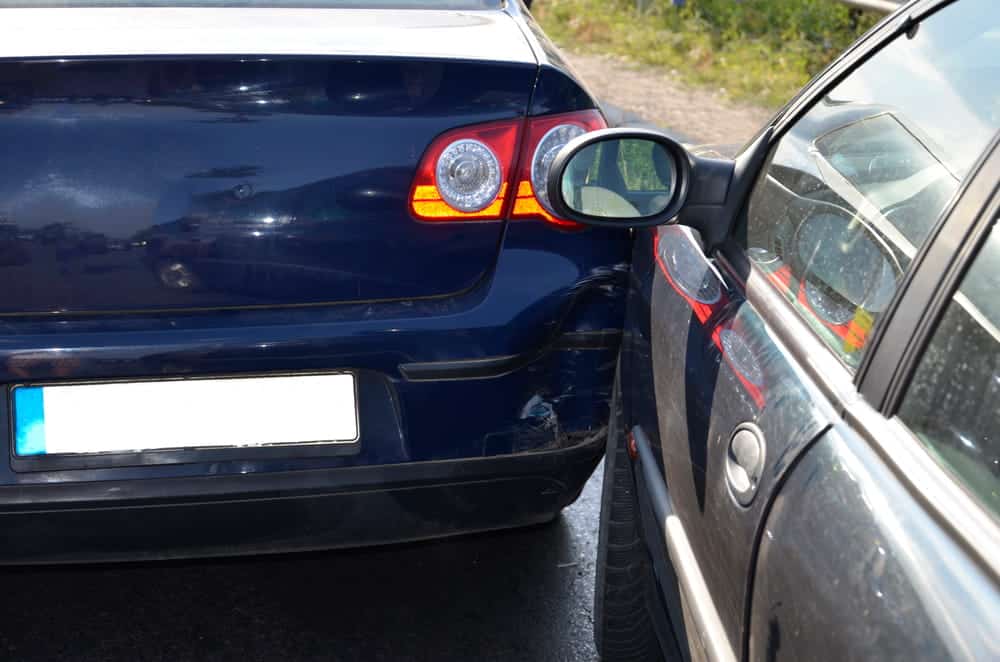
A middle vehicle may stop safely before a rear impact pushes it forward, or it may strike first. Sometimes, the available evidence cannot establish which contact occurred first, and front-end damage alone does not resolve that question. That distinction matters because the driver may share fault for unsafe following distance, but physical involvement in several impacts does not establish liability.
Which Driver Actions Most Often Create Shared Liability
Shared responsibility often arises when separate careless actions cause different impacts within the same collision sequence.
When Can Two Drivers Cause Different Parts of the Crash
Traffic slows, and a distracted driver strikes the vehicle ahead, beginning a multi-car collision. Another approaching driver follows too closely and causes a later impact that increases the damage. Investigators must decide whether that impact caused new injuries or worsened existing harm before assigning responsibility.
For example, a driver stops safely behind traffic before being pushed into another vehicle by a later rear-end collision. Investigators would examine whether the driver struck the vehicle ahead before the rear impact or only because of the force from behind.
What Duties Apply When Drivers See a Hazard Ahead
Tennessee drivers must use reasonable care by staying attentive, watching for hazards, controlling their vehicles, and choosing a safe speed. Tenn. Code Ann. § 55-8-136 requires due care and full attention when approaching stopped traffic or an unfolding crash. A breach may support negligence, but liability follows only when that conduct caused or increased the claimed harm.
What Evidence Reveals the Order of Each Collision Impact
A sound fault analysis compares physical, testimonial, and digital evidence to determine how each impact occurred.
What Can Vehicle Damage and Road Evidence Show
- Front, rear, and side damage may reveal contact points, but damage patterns rarely establish the complete sequence alone.
- Photographs taken before movement, roadway debris, tire marks, and final vehicle positions can provide important context.
- Because vehicles may shift after impact, front-end damage cannot prove whether a middle vehicle struck first or was pushed.
Which Witnesses and Digital Records Can Clarify Fault
- Independent witnesses may describe braking, lane changes, traffic speed, and impact order without sharing a driver’s personal interest.
- Dash-camera footage, surveillance video, immediate images, and available vehicle data may confirm or challenge those accounts.
- Relevant phone information may support distraction when lawfully obtained, but sound analysis compares several sources rather than assuming access.
Do Police Reports and Citations Settle Responsibility
A report or citation may shape the investigation, but neither independently determines civil responsibility.
What Can a Murfreesboro Crash Report Establish?
Involved parties may obtain qualifying Murfreesboro Police Department reports through Tennessee’s online crash-report system. A report may list drivers, vehicles, witnesses, conditions, statements, citations, and officer observations. Because officers may not witness the impacts, the report organizes known facts without conclusively allocating civil fault.
Does a Traffic Citation Prove Who Caused the Crash
A citation may support a traffic-rule violation argument, but it does not decide the entire collision sequence. An uncited driver may still share fault, even when careless actions by several drivers produce only one citation. Insurers and courts distinguish traffic enforcement from civil responsibility and evaluate the complete evidence instead.

Who Makes the Final Decision About Each Driver’s Fault
Final responsibility depends on agreement or, when disputes remain, a judge’s or jury’s evaluation of the evidence.
Why Can Insurers Reach Different Fault Conclusions
Each insurer independently reviews its policyholder’s role and may disagree about how the sequence unfolded. Those disagreements may concern the first negligent act, a middle vehicle’s movement, stopping time, or damage from each impact. As additional evidence becomes available, photographs, video, witness accounts, and vehicle evidence may change preliminary conclusions, which never create a binding legal allocation.
When Does a Judge or Jury Allocate Fault Percentages
Drivers and insurers may resolve responsibility without trial after weighing each driver’s conduct, avoidance opportunity, impact, and resulting harm. Otherwise, a jury assigns percentages in a jury trial, while a judge does so in a bench trial. A driver merely pushed forward may receive no fault, and no report, citation, vehicle position, or insurer opinion controls.
Contact a Murfreesboro Car Accident Lawyer
One driver may bear most responsibility, but several drivers can share fault in a Murfreesboro chain reaction accident. Determining responsibility requires careful review of each driver’s actions before and after every impact. Investigators examine who acted negligently, whether later impacts were avoidable, and what evidence supports each conclusion. Vehicle order, citations, insurer opinions, and crash reports alone do not establish legal responsibility.
At Murfreesboro Car Accident Lawyer, we understand how overwhelming a multi-vehicle collision can become when responsibility is disputed. Our knowledge of Tennessee negligence laws helps us evaluate each driver, each impact, and every category of harm. We work to build a clear picture using the available evidence and applicable legal standards. Contact us today or call (864) 335-9991 to speak with an experienced Murfreesboro car accident attorney and discuss your situation.