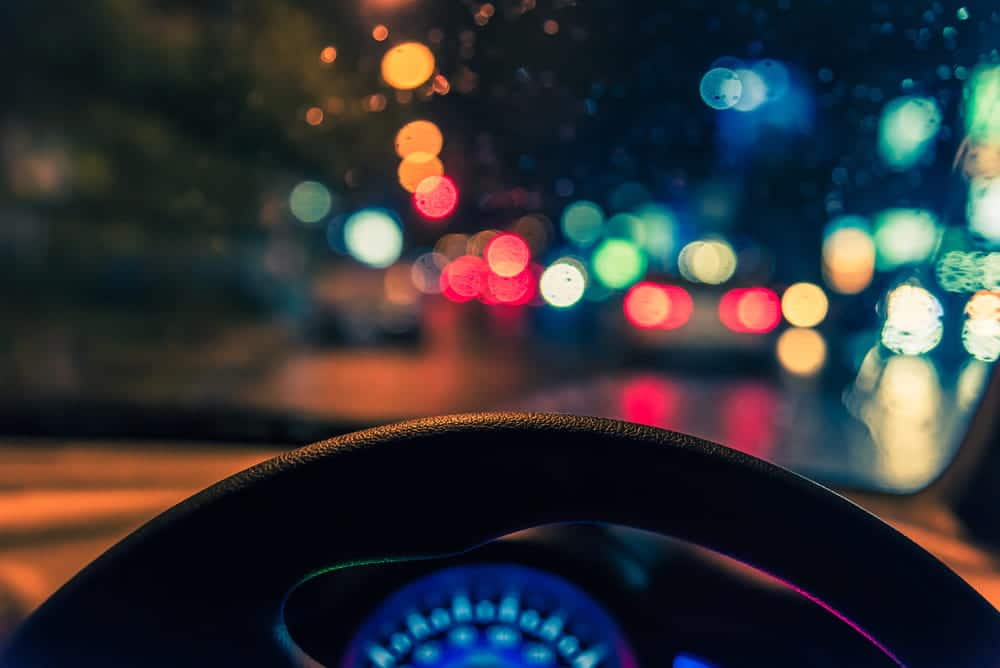
Rain begins falling as a driver leaves a holiday dinner, while headlights crowd the road and traffic slows ahead. Fatigue, distraction, impairment, poor visibility, and time pressure can make an already busy trip more dangerous. Holiday driving risks often compound before a driver realizes how little room remains for an unexpected problem.
Safer holiday travel requires extra time, enough following space, sober and alert driving, fewer distractions, and adjustments for changing conditions. If unsafe holiday driving leads to a crash, a Murfreesboro car accident lawyer can explain how fault, evidence, and insurance issues may affect the next steps.
Key Takeaways
- Holiday traffic, rushing, unfamiliar routes, impairment, distraction, and fatigue can combine to increase crash risks.
- Drivers can reduce danger by allowing extra travel time, maintaining following distance, controlling speed, and avoiding distractions.
- Rain, poor visibility, and fatigue call for slower speeds, greater following distance, and sometimes waiting until conditions improve.
- Creating distance from aggressive or erratic motorists is safer than confronting them, while serious roadway threats may warrant reporting.

Why Can Holiday Travel Increase Driving Risks on the Road?
Busy travel periods bring heavier traffic, tighter schedules, and unfamiliar roads together, leaving drivers less room to recover from sudden problems.
How Do Congestion and Rushing Leave Less Time to React?
Heavier traffic brings more braking, merging, lane changes, and sudden speed changes, leaving drivers less time and space to respond. Rushing makes those problems worse when drivers follow closely, accelerate between slowdowns, or change lanes without enough space. Leaving earlier and maintaining extra following distance gives drivers more time to notice slowing traffic and respond gradually.
Why Do Unfamiliar Routes Lead to Last-Minute Moves?
Holiday trips often include unfamiliar exits, intersections, parking areas, and connecting roads that can create last-minute confusion. Missing a turn is safer than braking suddenly or crossing several lanes to reach an exit. Setting navigation before departure helps drivers stay focused and continue safely to a better place for rerouting.
Which Driving Behaviors Increase Holiday Roadway Risks?
Impairment, speeding, and following too closely can make busy roads less forgiving when traffic patterns change without warning.
How Do Alcohol and Drugs Affect Safe Driving Decisions?
Alcohol and other impairing substances can weaken judgment, coordination, attention, reaction time, and the ability to judge speed or distance. Tennessee law prohibits driving or controlling a vehicle while impaired and also prohibits driving with a blood alcohol concentration of .08% or higher under Tennessee Code Annotated § 55-10-401. Alcohol can affect driving below .08%, so drivers who plan to drink should arrange a sober driver, another ride, or an overnight stay beforehand.
Why Do Speeding and Tailgating Magnify Holiday Hazards?
At higher speeds, a vehicle travels farther before the driver can react and requires more distance to stop, while tailgating removes space when traffic suddenly slows. Time pressure can encourage both behaviors when drivers try to recover lost time during brief openings in congestion. Accepting delays, maintaining a safe gap, and avoiding aggressive acceleration or sudden lane changes can reduce these risks.
How Can Drivers Limit Distraction During Holiday Travel?
Reducing distractions before departure helps drivers stay focused on traffic when roads become busy or unpredictable.
What Phone Use Does Tennessee Law Prohibit While Driving?
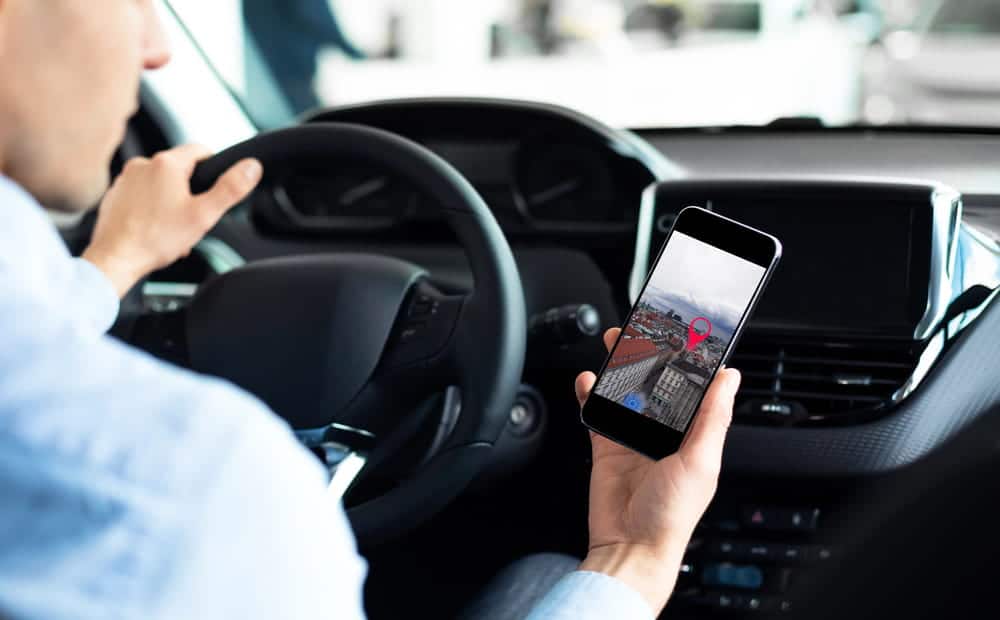
Tennessee restricts holding or supporting certain electronic devices while driving, although the law includes exceptions. Tennessee Code Annotated § 55-8-199 outlines these restrictions and other prohibited device uses. Avoiding manual phone use helps drivers notice sudden braking, merging, and speed changes in demanding traffic.
How Can Drivers Reduce Distractions Before They Leave?
Before leaving, drivers can set navigation, choose audio, silence alerts, secure loose items, and handle important messages. Passengers can manage route changes, while drivers avoid reaching for food, gifts, belongings, or items around children. Missing a turn or delaying a message is safer than looking away from traffic or making a sudden maneuver.
How Can Drivers Prepare for a Murfreesboro Holiday Trip?
Preparing the route, vehicle, and travel schedule before departure can reduce rushed decisions when holiday traffic or weather becomes more demanding.
How Can I-24 Traffic Affect a Murfreesboro Holiday Trip?
TDOT’s I-24 SMART Corridor links Nashville and Murfreesboro, reaching Exit 81 at SR 10 and US 231. The system provides real-time traffic information designed to improve travel reliability between Rutherford and Davidson counties. Drivers can use current traffic conditions to leave earlier, make reasonable route changes, or accept delays rather than rushing.
How Can Drivers Build More Safety Margin Before Leaving?
- Drivers should allow realistic travel time, rest beforehand, confirm sober transportation, and prepare the route before leaving.
- Drivers should check tires, lights, wipers, visibility, fuel or battery charge, and known mechanical concerns before departure.
- Securing gifts, luggage, and food can also prevent reaching inside the vehicle and help preserve attention on changing traffic.
How Should Drivers Adjust to Worsening Road Conditions?
Changing weather, limited visibility, and fatigue require drivers to slow down, create more space, and reconsider whether continuing remains safe.
How Should Driving Change in Rain or Low Visibility?
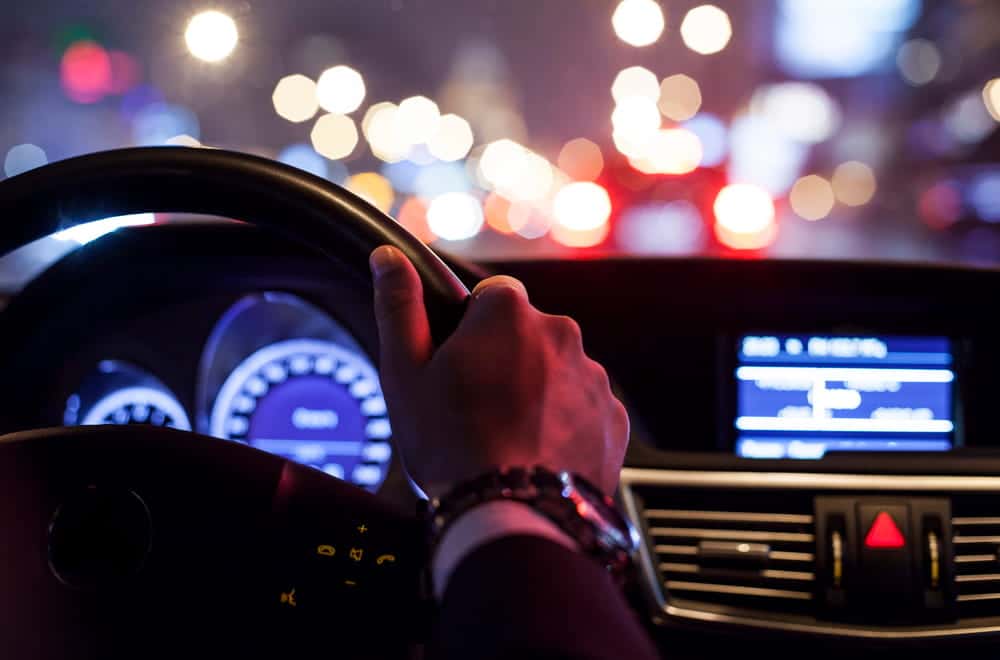
Rain, fog, darkness, glare, or standing water may require slower speeds and greater following distance than posted limits suggest. Extra space supports gradual braking, while clear windows, working lights, and effective wipers help drivers recognize hazards sooner. Drivers should avoid abrupt maneuvers and unnecessary cruise control when changing conditions demand frequent speed or steering adjustments.
What Should Tired Drivers Do When a Trip Runs Too Late?
A driver leaves a holiday gathering late, then begins yawning repeatedly as traffic slows during the trip home. Lane drifting, missed signs, or forgotten miles signal fatigue, making a safe stop more important than loud music or open windows. Stopping to rest avoids compounding reduced attention with speeding, following too closely, or other rushed decisions.
How Can Drivers Avoid Added Risk From Dangerous Motorists?
Aggressive or erratic drivers can create sudden hazards that other motorists cannot safely predict or control.
How Should Drivers Respond to Aggressive or Erratic Cars?
Drivers should create space from vehicles that tailgate, weave, leave their lanes, speed aggressively, or behave unpredictably. Racing, blocking, brake-checking, gesturing, following, or confronting another motorist can turn an existing hazard into a greater danger. Allowing the vehicle to pass or increasing distance is safer than guessing whether alcohol, fatigue, distraction, or another problem caused it.
When Should Drivers Report an Immediate Roadway Threat?
Dangerous driving that creates an immediate roadway threat may warrant a report to emergency services or highway patrol when it is safe to do so. Tennessee Highway Patrol advises against retaliation and recommends reporting aggressive driving when phone use is safe. Passengers can report the location, direction, vehicle description, and behavior, while solo drivers should avoid chasing or using a phone unsafely.
Contact a Murfreesboro Car Accident Lawyer
Safer seasonal travel depends on planning ahead, staying sober and alert, preserving space, controlling speed, and adapting to changing conditions. Holiday risks can compound quickly, so allowing extra time and keeping distance from unpredictable motorists can prevent rushed decisions from creating additional danger.
At Murfreesboro Car Accident Lawyer, Harlene Labrum can review what happened after a crash and help you understand issues involving fault, available evidence, insurance communications, and potential next steps. Contact us today or call (864) 335-9991 to discuss your circumstances.