Have you ever wondered how motorcycle vs. car accidents in Murfreesboro are treated differently when they happen on the same roads? While both involve traffic collisions, the risks, injuries, and legal considerations can vary significantly. These differences often shape how fault is assessed and how claims proceed.
Motorcycle crashes often result in more serious injuries because riders lack the physical protection that vehicles provide. This reality can accelerate medical treatment and insurance claims and require thorough documentation from the start. Injury severity frequently becomes a central issue when these cases are reviewed.
Tennessee law requires motorcycle riders and passengers to wear approved helmets to reduce the risk of head injuries under Tenn. Code Ann. § 55-9-302. Helmet compliance can influence how injury severity and causation are assessed after a crash. A car accident lawyer in Murfreesboro can help explain how these factors affect a claim and what steps may protect your rights.
Key Takeaways
- Motorcycle accidents often cause more serious injuries than car accidents because riders lack physical protection.
- Fault is commonly disputed in motorcycle crashes, especially in left-turn or visibility-related collisions.
- Motorcycle injury claims can be harder to resolve due to lower insurance limits and higher medical costs.
- Local handling of claims in Murfreesboro can affect timelines and outcomes. Accurate police reports and familiarity with local procedures help avoid delays.
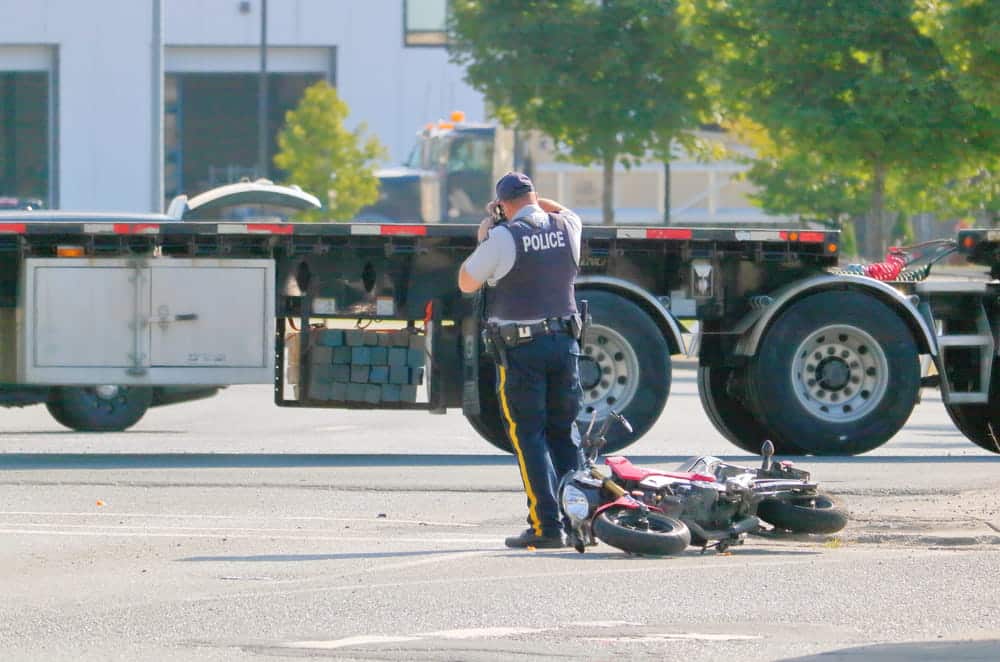

Immediate Differences at the Crash Scene
Motorcycle crashes differ significantly from car accidents due to exposure, protection, and visibility. Recognizing these differences helps understand injury patterns and liability factors.
Physical Exposure and Impact Risk
- Motorcyclists lack protective structures such as vehicle frames, airbags, and seatbelts
- Direct contact with the roadway or other vehicles increases injury severity even at relatively low speeds.
- Falls, slides, and collisions can result in fractures, abrasions, and head trauma.
- Early medical documentation is critical to establish the link between the crash and injuries.
- Understanding exposure helps insurance adjusters and courts evaluate liability and damages.
Visibility and Driver Perception
- Motorcycles are smaller and less visible to other drivers, increasing the likelihood of unnoticed lane changes or turns.
- Drivers often claim they did not see the rider until moments before impact.
- Lack of visibility contributes to higher crash severity and complicates fault analysis.
- Witness statements, dashcam footage, and traffic camera footage help clarify perceptions and reaction times.
- Legal evaluation uses visibility factors to assess negligence and support injury claims.
Injury Severity and Medical Documentation
Injury severity plays a central role in how accident claims are evaluated and documented. Medical records often determine how injuries are understood, treated, and connected to the crash.
Injuries Common in Motorcycle Crashes
Motorcycle crashes often involve head injuries, fractures, and spinal trauma due to limited physical protection. These injuries frequently require treatment from specialists and longer recovery periods. Ongoing care creates extensive medical records that must clearly link injuries to the accident. Accurate documentation helps explain injury progression and long-term medical needs.
Injuries More Typical in Car Accidents
Car accidents more commonly cause soft tissue injuries and moderate fractures rather than catastrophic trauma. Vehicle safety features help reduce injury severity during many collisions. Medical evaluations focus on identifying strain, impact-related pain, and mobility limitations. Clear records help distinguish new injuries from pre-existing conditions.

How Fault is Often Disputed
Fault is often disputed after crashes when drivers and riders give conflicting accounts of what happened. These disputes shape investigations and influence how responsibility is assigned during claims.
A Left-Turn Collision at a Murfreesboro Intersection
A common dispute involves a driver turning left in front of an oncoming motorcycle at an intersection. The driver may later claim the motorcycle appeared suddenly and could not be avoided. These statements often conflict with physical evidence and traffic patterns observed after the crash.
Evidence Used to Resolve Fault
Investigators examine sightlines, impact points, and roadway evidence to understand how the collision occurred. Skid marks, vehicle damage, and debris locations help reconstruct movement before impact. Physical evidence often carries more weight than subjective driver statements during fault determinations.
Where Murfreesboro Accident Claims Are Handled
Accident claims follow specific local procedures that affect how cases progress and are reviewed. Understanding where claims are handled helps avoid confusion and unnecessary delays.
Rutherford County Court Processing
Injury claims arising from car accidents in Murfreesboro typically move through the Rutherford County court system. Filing requirements and scheduling follow local court rules and administrative timelines. These procedures influence how quickly cases advance and how records are accessed. Accurate filings help keep claims organized and on track.
Why Local Procedures Matter
Law enforcement reports play a key role in shaping early insurance decisions after a crash. Errors or delays in reports can affect how faults and damages are initially viewed. Familiarity with local records and filing systems helps prevent setbacks. Proper handling supports smoother communication between courts, insurers, and legal counsel.

Legal Rules That Affect Compensation
Financial Responsibility After a Crash
- After a crash, Tennessee law generally requires drivers and riders to show proof of insurance or other financial responsibility.
- When valid coverage cannot be verified, it can complicate how an injury claim is handled and may also trigger separate legal consequences.
Statutory Basis for Financial Responsibility
- These financial responsibility requirements apply equally to motorcycle accidents and car accidents across Tennessee.
- Tennessee law establishes an obligation to maintain and demonstrate coverage.
Insurance and Claim Resolution Differences
Insurance coverage and claim resolution can vary depending on the type of vehicle involved. These differences often affect how compensation is evaluated and negotiated.
Motorcycle Insurance Challenges
Motorcycle insurance policies often have lower liability limits than passenger vehicle coverage. Severe injuries can exceed available policy limits more quickly, creating financial pressure early in the claim. Coverage gaps may complicate negotiations and delay resolution. Careful review helps identify additional recovery options.
Car Accident Claim Characteristics
Passenger vehicle claims often involve clearer damage patterns and more standardized injury assessments. Insurance companies rely on established repair data and medical benchmarks. This structure can make claim outcomes more predictable. Many Murfreesboro car accident lawyers focus on ensuring these claims are handled fairly.
Conclusion
Motorcycle and car accidents in Murfreesboro differ in injury risk, evidence needs, and insurance handling. Motorcycle crashes often require stronger medical proof and detailed accident reconstruction analysis. Car accidents may seem simpler, but they still depend on early medical documentation.
Understanding these differences helps injured individuals focus on evidence that matters most. A Murfreesboro car accident law firm can explain options and coordinate medical and investigative support. Working with a car accident lawyer that Murfreesboro residents trust helps pursue fair compensation.
At Murfreesboro Car Accident Lawyer, we understand how confusing injury claims can feel after a serious crash. Our team works to protect your rights, organize evidence, and pursue fair compensation. Contact us today to speak with a car accident attorney in Murfreesboro who can guide you through every step of your claim.